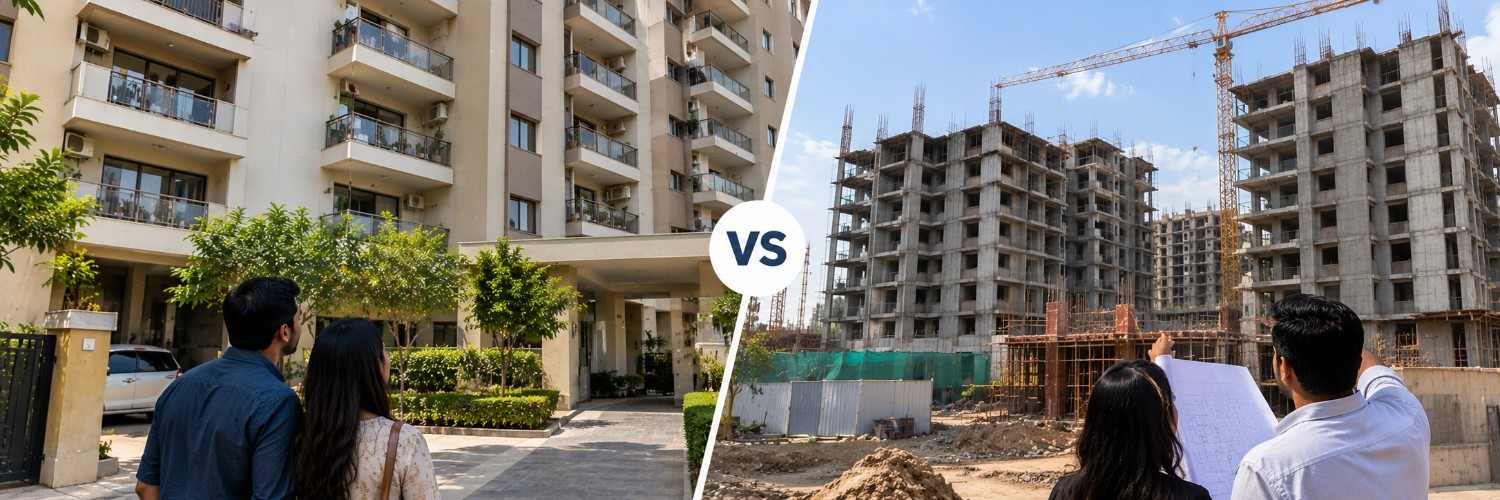
Property Registration Process: Complete Step-by-Step Guide for Home Buyers
Quick Summary
The Property Registration Process involves verifying property documents, paying stamp duty, preparing the sale deed, visiting the Sub-Registrar Office, completing biometric verification, and registering the property in the buyer's name. Once completed, the buyer receives a legally registered sale deed that confirms ownership.
Table of Contents
You don't truly own a property until it's legally registered in your name. The Property Registration Process is the final and most important step that turns your dream home into your legal asset, protecting your ownership and future investment.
In this guide, you'll learn the complete Property Registration Process, including the required documents, stamp duty, registration charges, and expert tips to avoid common mistakes. Pinkcity Housing also supports homebuyers with transparent documentation and step-by-step guidance, making the registration process smooth and worry-free.
Key Takeaways
- Property registration legally transfers ownership to the buyer.
- A registered sale deed protects your ownership rights.
- Buyers must pay stamp duty and registration charges before registration.
- Carry all required documents to avoid delays.
- Verify the property's legal status before signing.
- RERA-approved projects make the registration process easier.
What Is Property Registration?
Property registration is the legal process of recording a property's ownership with the government. During this process, the buyer and seller sign the sale deed before the Sub-Registrar, making the ownership transfer legally valid.
Registration protects buyers against fraud, ownership disputes, and unauthorized claims while creating an official government record of the transaction.
Why Is Property Registration Important?
Property registration offers several important benefits:
Legal Ownership
A registered sale deed officially proves that you own the property.
Protection Against Fraud
Government records reduce the chances of fake ownership claims or illegal property sales.
Easy Home Loan Approval
Banks generally require registered property documents before approving loans.
Hassle-Free Resale
Registered properties are easier to sell because ownership records are clear.
Better Investment Security
A legally registered property offers long-term security and protects your investment.
Step-by-Step Property Registration Process
Step 1: Verify Property Documents
Before registration, carefully check:
- Sale Agreement
- Title Deed
- RERA Registration
- Encumbrance Certificate
- Approved Building Plan
- Occupancy or Completion Certificate (if applicable)
Verifying these documents helps avoid legal issues later.
Step 2: Calculate Stamp Duty and Registration Charges
Stamp duty is a government tax paid during property registration.
The amount depends on:
- Property value
- Circle rate
- Property location
- Buyer category (in some states, women receive concessions)
Registration charges are generally calculated separately from stamp duty.
Step 3: Prepare the Sale Deed
The sale deed contains important information such as:
- Buyer and seller details
- Property description
- Purchase price
- Payment details
- Terms and conditions
Carefully review every detail before signing.
Step 4: Pay Stamp Duty
Stamp duty can usually be paid through:
- E-Stamping
- Online payment
- Authorized banks
Keep the payment receipt safely, as it will be required during registration
Step 5: Visit the Sub-Registrar Office
On the scheduled registration day, both buyer and seller must appear with:
- Original identity proof
- Property documents
- Passport-size photographs
- Stamp duty receipt
- Two witnesses
Officials verify documents, collect biometric information, and record signatures.
Step 6: Registration Completion
After verification, the sale deed is officially registered.
The buyer receives the registered document, which legally confirms ownership of the property.
Documents Required for Property Registration
Buyer Documents
- Aadhaar Card
- PAN Card
- Address Proof
- Passport-size Photographs
Seller Documents
- Identity Proof
- PAN Card
- Ownership Documents
Property Documents
- Sale Deed
- Sale Agreement
- RERA Certificate
- Approved Building Plan
- Encumbrance Certificate
- Property Tax Receipts
- Occupancy or Completion Certificate
- NOC (if required)
Keeping all documents ready helps avoid unnecessary delays.
Stamp Duty and Registration Charges
Stamp duty and registration charges vary from state to state.
The final amount depends on:
- Property value
- Government circle rate
- Property type
- Buyer category
- State government rules
Before purchasing a property, always calculate these charges so you can plan your overall budget accurately.
Common Mistakes to Avoid
Many buyers face delays because of simple mistakes.
Avoid these common errors:
- Not verifying ownership documents
- Ignoring RERA registration
- Incorrect spelling on documents
- Missing required paperwork
- Underestimating registration expenses
- Not reviewing the sale deed carefully
- Delaying the registration process
Taking time to verify everything can prevent future legal complications.
Property Registration for New Flats vs Resale Properties
| New Property | Resale Property |
|---|---|
| Builder provides project approvals | Previous ownership must be verified |
| RERA documents available | Title history should be checked |
| Easier documentation | Additional legal verification required |
| Modern approvals | Existing liabilities must be confirmed |
If you're buying from a reputed developer like Pinkcity Housing, you'll generally receive well-organized documentation and guidance throughout the registration process, making the experience smoother for first-time buyers.
Tips for a Smooth Property Registration Process
Follow these practical tips:
- Verify all legal documents before making payment.
- Keep both original and photocopies ready.
- Confirm stamp duty calculations in advance.
- Double-check names and property details.
- Carry valid identity proof.
- Reach the registration office on time.
- Keep digital copies of all registered documents.
- Consult a legal expert if you're unsure about any document.
Conclusion
The Property Registration Process is the final step that legally secures your ownership and protects your investment. By completing the required documentation, paying stamp duty, and registering the sale deed, you gain full legal rights to your property.
With transparent documentation, RERA-approved projects, and dedicated support, Pinkcity Housing makes your home-buying journey simple and hassle-free. Ready to own your dream home with confidence? Explore Pinkcity Housing's premium residential projects and connect with our team today.
Frequently Asked Questions
Yes. Property registration is legally required to establish ownership under Indian law.
Most registrations are completed on the scheduled day if all documents are correct. The registered documents are generally available shortly afterward, depending on local procedures.
Typically, the buyer pays the stamp duty and registration charges unless both parties agree otherwise.
Many states allow online appointment booking and e-stamp payment, but physical verification at the Sub-Registrar Office is generally required.
Without registration, ownership may not be legally recognized, which can create legal and financial issues in the future.